
Pre-Drywall Inspections
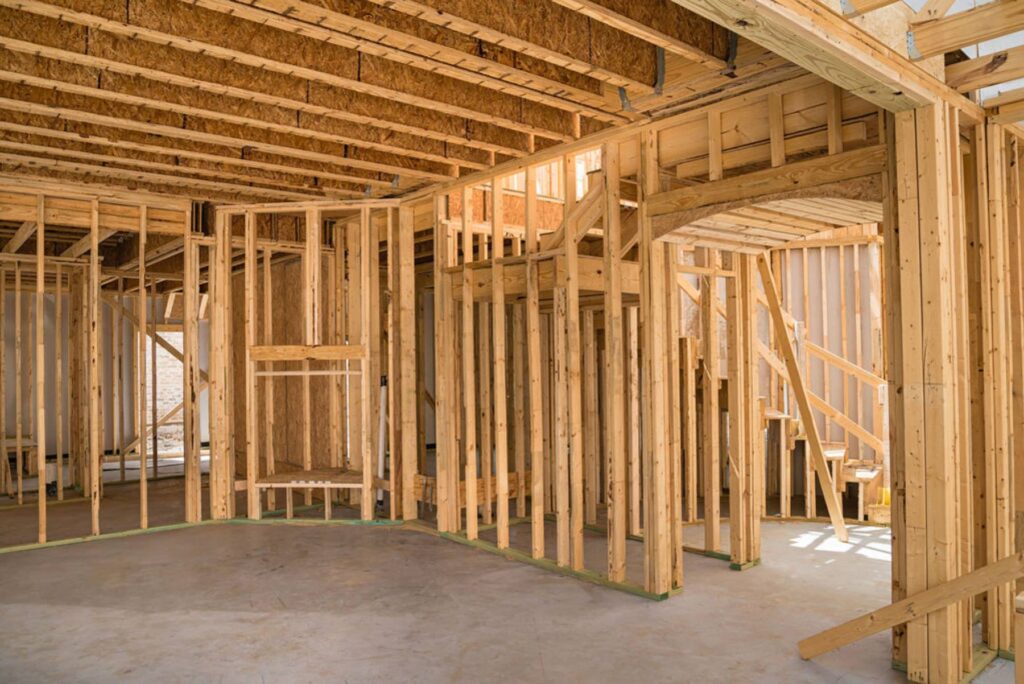
The best time to look at a house being built is during the narrow window between when the mechanicals are roughed in and when the drywall goes up. Once insulation and drywall arrive, everything behind them becomes permanently hidden. Framing choices, plumbing routing, electrical rough-in, HVAC installation, weather-resistive barriers, flashing at penetrations, structural connections, and the dozens of other details that determine how a home actually performs over the next several decades are all sealed away. A pre-drywall inspection is the only opportunity to see these components while you can still evaluate, document, and correct them if adjustments are needed.
Tier 1 Home Inspections performs pre-drywall inspections throughout Woodbine, Frederick, Germantown, Ellicott City, Columbia, Damascus, and Mount Airy. Our home inspectors coordinate with builders and homeowners to visit the property at the right point in the construction sequence, walk every room systematically, and produce a photograph-illustrated report the buyer can share with the builder to address any concerns before drywall installation. Whether you’re building a custom home in Howard County, closing on a production home in a new Frederick County community, or working with a semi-custom builder in Montgomery County, the pre-drywall inspection gives you documented visibility into work that will otherwise remain invisible for the life of the house.
About the Pre-Drywall Inspection
A pre-drywall inspection is a detailed visual evaluation of a home under construction, performed after framing, rough plumbing, rough electrical, rough HVAC, window and door installation, and weather barrier installation are complete, but before insulation and drywall go in. This timing is specific and matters. Too early, and the mechanical rough-ins won’t be ready to evaluate. Too late, and drywall covers the components that need the most review. Our home inspectors coordinate with builders to identify the right window and complete the inspection during it.
The scope of the pre-drywall inspection covers the components that will become permanently inaccessible once drywall is installed. Framing gets close attention, including studs, plates, headers, floor joists, ceiling joists, roof framing, and the connections between them. We look for missing or improperly installed fasteners, damaged lumber, structural cuts that weren’t properly repaired, engineered lumber components altered on site, and framing details that don’t match the plans or standard practice. Fire blocking and draft stops are documented, since these are among the most commonly overlooked details during framing.
Structural connections receive their own attention. Joist hangers, hurricane clips where applicable, beam-to-column connections, and any specialty hardware called for in the plans are checked for correct installation and fastener use. Sheathing installation, both wall and roof, is documented for fastener spacing, panel spacing, and edge conditions. The inspector evaluates weather resistive barrier installation for laps, tape, and integration with window and door flashing. Flashing at every penetration and transition is documented.
Electrical rough-ins get close review. We document wire routing, protection at drilled holes, junction box installation, panel location and rough completion, service entrance cable, and any specialty circuits. We look for damaged conductors, wires run in ways that will make future access difficult, missing nail plates where wires cross studs near their edges, and any conditions that would fail a municipal inspection or create problems down the road.
Plumbing rough-in review covers supply lines, drain, waste, and vent piping, water heater location, gas piping where present, and any specialty plumbing installations. We check for proper drain-line slopes, appropriate venting, protection at penetrations, and any conditions that could cause future problems. HVAC rough-ins get similar attention, including ductwork routing, refrigerant lines, condensate drain lines, register locations, return air pathways, and any equipment rough-in details visible at this stage.
Windows, doors, and any exterior openings are evaluated for installation quality, flashing integration, and shim placement. The inspector reviews roof framing, sheathing, and any accessible attic areas. The full exterior envelope, to the extent it’s been completed at the inspection date, is documented for weather resistance and detailing.
The report is delivered digitally with abundant photographs, and it’s organized so the builder can efficiently locate and address any items the inspection identified. Same-day or next-morning delivery is standard, and we make the report format easy to share directly with the builder.
Why Pre-Drywall Inspections Matter in the Washington Metro
New construction across Maryland’s I-270 corridor has grown steadily, and the number of homes under active construction across Howard, Frederick, and Montgomery counties is substantial. Production builders operate on tight schedules with framing, mechanical, and finish trades all working under pressure to meet delivery targets. Municipal inspections check for code compliance, which matters, but code compliance and quality construction aren’t the same. Municipal inspectors look for pass-or-fail conditions at specific stages, not the accumulated details that determine how a home performs over decades.
Custom and semi-custom home construction has its own set of considerations. Custom build specifications often include upgraded materials, structural modifications from standard plans, and finishes that require proper rough-in for later installation. Miscommunication between the buyer, builder, and trades happens regularly, and mistakes made during rough-in can be difficult or impossible to correct after drywall. A pre-drywall inspection provides documented evidence of what was actually built, supporting both quality control and future warranty conversations.
Basement construction is standard in Maryland residential construction, and a pre-drywall inspection of basement framing, mechanical rough-in, and waterproofing details is particularly valuable. Radon-resistant construction techniques required in many Maryland jurisdictions include specific rough-in details that a pre-drywall inspection can verify. HVAC design for the Mid-Atlantic climate involves duct sizing, return air pathways, and equipment location choices that affect both comfort and efficiency for the life of the home. Getting these right during rough-in is significantly easier than trying to fix them after finish work is complete.
Warranty and dispute considerations also matter. If a defect emerges after the buyer takes possession, having pre-drywall documentation showing what was installed and how strengthens the buyer’s position in any warranty conversation. Even homes that ultimately perform well benefit from the documented record.
Why Choose Tier 1 Home Inspections for Your Pre-Drywall Inspection?
Our home inspectors bring the construction knowledge and training that pre-drywall work requires. This isn’t a standard home inspection performed on a partial building. It’s a distinct scope that requires understanding of framing, mechanical rough-in, and building envelope details at a level that comes from experience rather than from a checklist. Our team has that background, and we bring the equipment the job needs, including thermal imaging capability, moisture meters, and thorough photographic documentation.
As a multi-inspector firm, we can coordinate pre-drywall inspections with the timing that construction schedules require, including on short notice when the drywall crew has been moved up. We work with builders directly when the buyer prefers that coordination, or we work through the buyer when they want to manage communication themselves. After delivery, our team stays reachable for follow-up questions and for return visits when the buyer wants confirmation that items were addressed before drywall proceeded.


Schedule Your Pre-Drywall Inspection in Frederick, Howard, and Montgomery Counties Today
Tier 1 Home Inspections offers pre-drywall inspections alongside warranty inspections, radon testing, home inspections, thermal imaging, home check-ups, deck inspections, and roof inspections. Many new construction buyers use us at multiple stages, including the pre-drywall inspection during construction, the final home inspection before closing, and the 11-month warranty inspection near the end of the builder’s first-year coverage. Each stage produces documentation that supports the buyer’s understanding of the home and their rights.
To book your pre-drywall inspection, contact us or schedule your inspection online. We serve Woodbine, Frederick, Germantown, Ellicott City, Columbia, Damascus, and Mount Airy. The pre-drywall window is narrow and moves quickly, so contact us as early as you can once construction is progressing so we can coordinate the inspection into the right point in the sequence. Our home inspectors are ready to help you see the parts of your new home that would otherwise remain hidden forever.